Home>Anti-Corrosion>VCI Film>Global Industrial Hubs>Detroit

VCI Film Manufacturer for Detroit, USA - Corrosion Protection for Automotive OEM, EV Powertrain, and Stamping Industries

BENZ manufactures VCI film for Detroit buyers protecting stamped body panels, EV battery trays, transmission housings, die-cast components, and mixed-metal assemblies moving through heated warehouses, cross-border logistics to Ontario, and temperature-cycled storage across the Michigan automotive corridor.
40+
Years Experience
9
VCI Film Types
MIL
PRF-22019E Focus
Global
Manufacturing Support

What Is VCI Film and How Does It Prevent Corrosion?

VCI (Volatile Corrosion Inhibitor) film is a co-extruded polyethylene packaging film engineered with corrosion-inhibiting compounds embedded within its polymer layers. When sealed around metal parts or stretch-wrapped over pallets, VCI molecules continuously vaporize from the film into the enclosed airspace and form an invisible protective layer on every exposed metal surface — including threads, bores, cavities, and recesses that liquid coatings cannot reach. This molecular shield interrupts the electrochemical reaction between metal, moisture, and oxygen that drives rust, flash corrosion, and white oxide formation. BENZ VCI Film uses a proprietary 3-layer co-extrusion process with a dedicated VCI reservoir layer that sustains protection for up to 3 years — making it particularly critical for Detroit's automotive stamping plants and EV powertrain facilities where cold-winter condensation cycling, heated-warehouse temperature shocks, and cross-border transit to Ontario create aggressive corrosion conditions on bare steel panels and mixed-metal assemblies.

Why Do Detroit Manufacturers Choose BENZ VCI Film?

Proprietary 3-Layer Co-Extrusion

BENZ VCI Film uses a proprietary 3-layer blown co-extrusion process: inner protection layer, middle VCI reservoir, and outer atmospheric barrier — delivering sustained corrosion protection for up to 3 years.

Multi-Metal Protection

Single film protects ferrous steel, stainless steel, aluminum, copper, brass, and zinc simultaneously — eliminating the need for separate packaging materials per metal type.

Nine Specialized Film Formats

Multimetal, Stretch, Shrink, Bubble, Anti-Static, Bio-Film, Woven Fabric, Non-Woven, and Enviro — matched to equipment size, metal mix, and transit severity.

Global Compliance Stack

MIL-PRF-22019E, NACE TM0208, ASTM D1748-02, JIS Z 1535, TRGS 615, RoHS, REACH, and FDA for equipment packaging — accepted by defense, automotive, and aerospace buyers worldwide.

BENZ VCI Film Product Range

For Detroit's high-volume automotive stamping lines, BENZ VCI Stretch Film is the primary pallet-wrap solution — protecting stamped body panels and brackets during inter-plant transfers and cross-border shipment to Ontario assembly plants. BENZ Multimetal VCI Film is recommended for mixed-metal EV battery tray assemblies where aluminum, copper bus bars, and steel brackets coexist in a single pack.

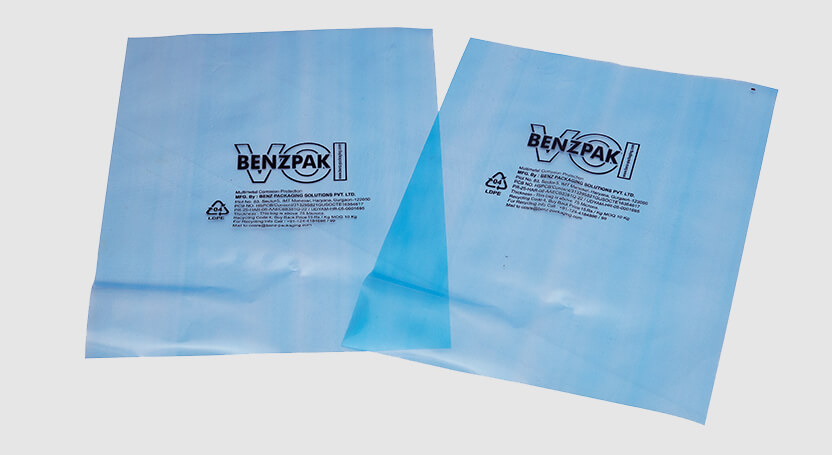
BENZ Multimetal VCI Film

BENZ Multimetal VCI Film

3-Layer Co-Extruded

High-technology co-extruded blown film protecting ferrous and non-ferrous metals simultaneously. Available in sheets, rolls, 2D bags, and 3D bags.

View Full Specs
BENZ VCI Stretch Film

BENZ VCI Stretch Film

Hand & Machine Grade

Co-extruded stretch film with multi-metal VCI protection for pallet wrapping, bundling, and automated packaging lines. 9-55 micron range.

View Full Specs
BENZ Anti-Static VCI Film

BENZ Anti-Static VCI Film

ESD + VCI Protection

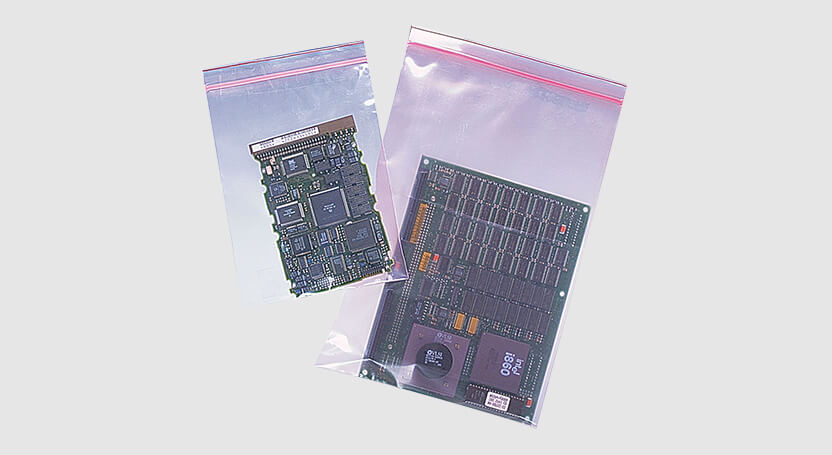
Dual-action film meeting stringent anti-static standards while providing multi-metal corrosion protection for electronics and precision components.

View Full Specs
BENZ VCI Shrink Film

BENZ VCI Shrink Film

Heat-Shrink + UV

High-strength shrink film with UV stabilizers and multi-metal VCI for tight-fit encapsulation of machinery, equipment, and outdoor-stored metal goods.

View Full Specs

How Does VCI Film Protect Metal Parts?

  1. Sealed enclosure: BENZ VCI Film is heat-sealed, stretch-wrapped, or shrink-fitted around the metal part or pallet, creating a sealed microenvironment that traps VCI molecules inside.
  2. Vapor saturation: The middle reservoir layer continuously releases VCI molecules into the enclosed airspace, saturating every surface — including threads, bores, cavities, and recesses that liquid coatings cannot reach.
  3. Active corrosion blockade: VCI molecules adsorb onto metal surfaces and form an invisible molecular shield that interrupts the electrochemical reaction between metal, moisture, and oxygen — stopping rust, tarnish, and white corrosion.
  4. Clean removal: When the film is opened or removed, VCI molecules dissipate within minutes. Parts are immediately ready for assembly, painting, inspection, or installation without degreasing.

Compliance and Certification for International Buyers

MIL-PRF-22019EU.S. military spec for transparent VCI barrier materials
NACE TM0208-2008Vapor-inhibiting ability test for ferrous metals
ASTM D1748-02Humidity cabinet corrosion resistance test
JIS Z 1535:2014Japanese industrial standard for VCI materials
TRGS 615German workplace safety — nitrite-free formulation
DIN ISO 9227:2012-9Salt spray corrosion resistance testing
RoHS and REACHEU environmental compliance for industrial exports
FDA CompliantApproved for equipment packaging applications

International procurement teams evaluating VCI film need assurance that the product meets their region-specific compliance requirements. BENZ VCI Film carries one of the broadest certification portfolios in the industry — covering U.S. military specifications, European environmental regulations, Japanese industrial standards, and food/pharmaceutical equipment packaging approvals.

Which Industries Use VCI Film in Detroit?

BENZ VCI Film Coverage Across Metropolitan Detroit

Metropolitan Detroit's industrial geography spans a 60-mile corridor from the GM Technical Center and Warren Truck Assembly in the north, through the Stellantis and Ford stamping belt in Sterling Heights and Livonia, down to the Ford Rouge Complex and GM Factory ZERO in Dearborn and Detroit-Hamtramck. This corridor also extends across the border to Windsor, Ontario — home to FCA's Windsor Assembly and numerous automotive Tier-1 suppliers. A VCI film solution for Detroit must account for this multi-plant, cross-border logistics reality where parts may sit in three or four different warehouses between stamping and final assembly.

The corrosion challenge in Detroit is driven by extreme temperature cycling — heated warehouses at 20-22 degrees Celsius in winter, outdoor dock staging at minus 15 to minus 20 degrees Celsius, and rapid warming when trailers are loaded and sealed. This thermal shock drives severe condensation on bare steel and aluminum surfaces. During summer, Michigan's humidity rises above 80% RH in lakeside facilities near Lake St. Clair and the Detroit River. BENZ typically recommends VCI Stretch Film for high-volume stamped-panel pallet wrapping, Multimetal VCI Film for mixed-metal EV assemblies, Anti-Static VCI Film for electronic powertrain controllers, and VCI Shrink Film for long-term preservation of defense vehicle components at the TACOM facility in Warren.

How Does BENZ VCI Film Compare to Generic VCI Film?

The performance gap between engineered VCI film and commodity alternatives is significant. Generic films often use single-layer construction with basic VCI compounds that offer limited metal coverage and shorter protection windows. Here is how BENZ compares:

ParameterBENZ VCI FilmGeneric VCI Film
Construction3-layer co-extruded blown filmSingle or dual-layer cast film
VCI ReservoirDedicated middle layer — sustained releaseSurface-applied — depletes quickly
Protection DurationUp to 3 years6-12 months typical
Metal CompatibilityMulti-metal: ferrous + non-ferrous + alloysUsually ferrous-only
Nitrite Content100% nitrite-free (TRGS 615)Often contains nitrites
Military CertificationMIL-PRF-22019E certifiedNot certified
Anti-Static OptionMIL-PRF-81705D rated ESD film availableRarely available
EnvironmentalRoHS, REACH, 100% recyclable, Bio-Film optionVaries, often non-compliant
Lab ValidationBFSV Germany, Intertek, NACE testedSelf-certified or no testing

What Makes BENZ VCI Film Different from Other Suppliers?

Why Detroit Manufacturers Are Choosing BENZ Over Other VCI Film Brands

Frequently Asked Questions - BENZ VCI Film for Detroit

Q: Which BENZ VCI Film is best for protecting stamped automotive body panels during inter-plant transfers across metropolitan Detroit?

A: BENZ VCI Stretch Film is the standard solution for Detroit stamping plants. It applies directly on automated pallet-wrap lines, creates a sealed VCI atmosphere around stacked panels, and protects against the condensation cycling that occurs when pallets move between heated staging areas and outdoor dock exposure in Michigan winters. For panels with mixed steel and aluminum, upgrade to BENZ Multimetal VCI Film bags for individual part separation.

Q: Can BENZ VCI Film protect EV battery trays and power electronics housings that combine aluminum, copper, and steel?

A: Yes. EV powertrain assemblies are a primary use case for BENZ Multimetal VCI Film because it protects ferrous steel, aluminum, and copper simultaneously without creating galvanic corrosion at dissimilar-metal junctions. This is critical for Detroit's Factory ZERO and Rouge EV Center output where battery trays and motor housings combine multiple metals in sealed packaging.

Q: Does BENZ VCI Film meet MIL-PRF-22019E for Detroit Arsenal (TACOM) defense packaging requirements?

A: Yes. BENZ VCI Film is certified to MIL-PRF-22019E — the U.S. military specification for transparent VCI barrier materials used in long-term preservation packaging. This certification is required for Stryker, JLTV, and Abrams vehicle component packaging at the Detroit Arsenal in Warren.

Q: Why does corrosion occur on automotive parts during cross-border shipment between Detroit and Windsor, Ontario?

A: The Ambassador Bridge and Gordie Howe crossing subject trailers to outdoor staging, customs delays, and dramatic temperature swings — especially in winter when parts move from heated Michigan warehouses to minus-15-degree outdoor queues and back into heated Canadian facilities. Each temperature transition creates a condensation event on bare metal. BENZ VCI Film creates a sealed microenvironment that neutralizes these moisture cycles.

Q: How does BENZ VCI Stretch Film perform on automated pallet-wrap lines in high-volume stamping plants?

A: BENZ VCI Stretch Film is available in machine-grade rolls (9 to 55 micron) that run on standard automated turntable and rotary-arm pallet wrappers. The film maintains stretch and cling properties identical to conventional stretch film while adding multi-metal VCI protection — so stamping plants do not need separate wrapping and VCI application steps.

Q: Will BENZ VCI Film leave residue on Class A automotive surfaces or precision-machined parts?

A: No. BENZ VCI Film is designed for zero-residue protection. When the film is removed, VCI molecules dissipate within minutes, leaving surfaces clean for painting, e-coating, assembly, or customer delivery without any degreasing. This is critical for Detroit's Class A body panel surfaces that go directly to paint shops.

Request BENZ VCI Film for Detroit

Tell our packaging team what metals you wrap, the equipment dimensions, storage duration, and whether the route includes outdoor yards, ocean containers, or climate-controlled warehouses. We will recommend the right BENZ VCI Film variant and send samples for your qualification.

Or reach us directly: +91 98991 44488  |  care@benz-packaging.com

Reviewed by BENZ Packaging Technical Team | 40+ Years in VCI Corrosion Protection | ISO 9001:2015 CertifiedLast updated: April 2026

Request BENZ VCI Film for Detroit

Share your metal types, equipment dimensions, and storage or transit conditions. Our packaging team will recommend the most suitable BENZ VCI Film variant.

Inquiry Submitted

Our packaging specialist will contact you soon.
Call us: +91-98991-44488